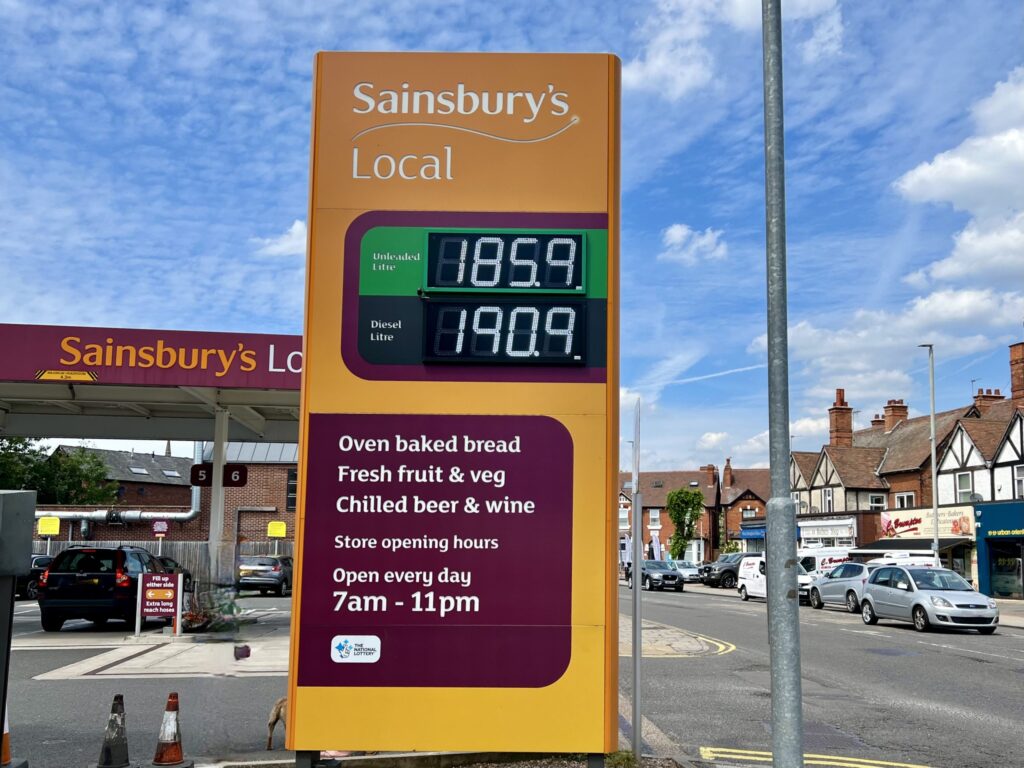
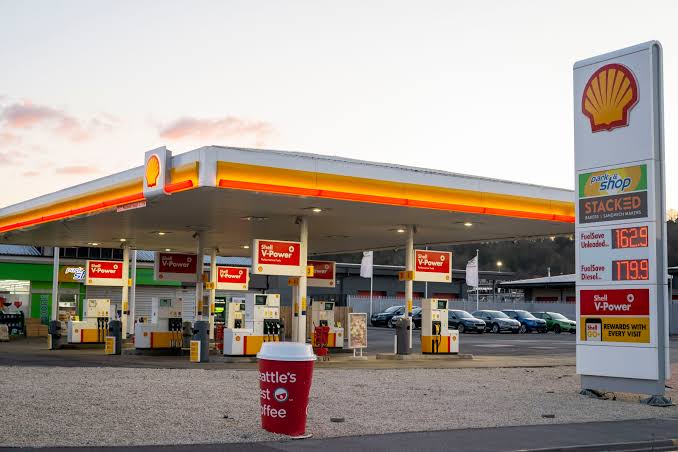
Pull up to a UK forecourt and you’ll usually see two petrol options on the pump: a standard unleaded and a pricier “super” grade. Since the switch to E10 a few years ago, plenty of drivers have been left wondering what those labels actually mean, and whether paying extra at the pump does anything for their car.
If you’ve ever stood there thinking “which petrol should I use?”, you’re in good company. This guide breaks down E10 vs E5 in plain English, covers the real-world differences, and helps you decide whether super unleaded vs unleaded is worth the money.
What Do E10 and E5 Actually Mean?
The “E” stands for ethanol, a type of alcohol that’s blended into petrol. The number tells you the maximum percentage of ethanol in the mix.
- E10 contains up to 10% ethanol. It’s the standard unleaded petrol sold at UK pumps, and it replaced the old E5 regular unleaded in September 2021.
- E5 contains up to 5% ethanol. It’s sold as super unleaded, and it has a higher octane rating than standard petrol.
So when people talk about super unleaded vs unleaded, they’re usually comparing E5 with E10. The ethanol content is only part of the story, though, because the two fuels differ in other ways too.
Why Did the UK Switch to E10?
The main reason was to cut carbon emissions. Ethanol is made from plant material, so blending more of it into petrol reduces the amount of fossil fuel in every litre. The government introduced E10 as a relatively simple way to lower the carbon footprint of the cars already on the road, without anyone having to buy a new vehicle.
That’s the official reasoning. For most drivers, the practical question is a different one: can my car use it, and does it matter?
The Octane Difference Explained
Octane rating measures how well a fuel resists “knocking”, where fuel ignites too early in the engine. Standard E10 petrol in the UK is rated at 95 octane. Super unleaded E5 is usually 97 or higher, and some brands go up to 99.
A higher octane doesn’t mean the fuel is more powerful or cleaner by default. It simply means it can handle more pressure before igniting. That matters for high-compression and turbocharged engines, which are designed to take advantage of it. A typical family hatchback with an ordinary engine isn’t built to benefit from the extra octane, so it won’t turn it into extra performance.
Can My Car Use E10 Petrol?
This is the part that worries people most, and the answer is reassuring for most drivers. Petrol cars built from 2011 onwards are made to run on E10, and the majority of cars registered before then are fine too. Problems are mostly limited to:
- Some older cars from the late 1990s and early 2000s
- Many classic and vintage vehicles
- Certain older motorbikes and mopeds
- Some small petrol-powered garden machinery
Ethanol can be harder on certain rubber seals, plastics and metals found in older fuel systems. That’s why the government kept E5 available as a “protection grade” for vehicles that can’t use E10.
If you’re unsure, use the official government vehicle checker on GOV.UK, which lets you search by make and model. Your owner’s handbook and the label inside the fuel flap will usually tell you what’s suitable too. If your car can’t take E10, E5 is the right choice and it’s not optional.
Does Super Unleaded Give Better Fuel Economy?
This is where much of the marketing focuses, so it’s worth being realistic. Ethanol contains slightly less energy than petrol, which means E10 gives marginally fewer miles per litre than E5. The gap is small, generally somewhere in the region of 1% to 2%, and many drivers won’t notice it day to day.
Some super unleaded brands also claim extra cleaning additives that keep engine parts tidy. That may have some benefit over a long period, but it’s difficult for an ordinary driver to measure, and it varies from brand to brand.
For a typical modern car, the improvement is modest. It’s rarely dramatic enough to cover the difference in price.
The Cost Question: Is Super Unleaded Worth It?
Super unleaded normally costs noticeably more per litre than standard unleaded, often around 10p or more. Let’s work through a rough example.
Say you fill a 50-litre tank. With a 10p per litre difference, that’s an extra £5 every time you fill up. For the extra cost to pay for itself, super unleaded would need to improve your fuel economy by roughly 7% if petrol is around 140p per litre. Since the typical efficiency gain is closer to 1% or 2%, the maths rarely works in its favour.
The same example, over a year, makes the point. A driver filling up once a week would spend about £260 more on super unleaded, to get a small benefit that most won’t feel.
When Is Super Unleaded Worth Paying For?
None of this means E5 is a waste of money for everyone. There are genuine situations where it makes sense:
- Your car can’t run on E10. This is the clearest case. Classic cars and some older vehicles need E5.
- Your manufacturer recommends it. Some performance cars specify 97 octane or higher, and using lower-grade fuel can limit performance.
- You store a vehicle for long periods. E5 can be better for motorbikes, classics and garden equipment that sit unused, because ethanol can absorb moisture over time.
- You do occasional spirited driving in a high-performance or turbocharged car designed for higher octane.
If none of those apply to you, standard E10 is the sensible, budget-friendly choice for most everyday driving.
Will Using E10 Damage My Engine?
If your car is listed as compatible, no. E10 is approved for the vast majority of petrol vehicles on UK roads, and modern engines are designed with it in mind. The concern is mainly about older vehicles with materials that weren’t designed for ethanol.
If you accidentally put E10 into a car that can’t take it, don’t panic. A single tank is unlikely to cause immediate damage. Top up with E5 as soon as you can and avoid making a habit of it. If you’re worried, speak to a garage or your manufacturer.
Which Petrol Should I Use? A Quick Checklist
Still undecided? Run through these questions:
- Check your handbook or fuel flap for the recommended fuel.
- If the vehicle was built before 2011, use the GOV.UK checker to confirm it’s E10 compatible.
- If your car is compatible and doesn’t need high octane, use E10.
- If it isn’t compatible, or the manufacturer specifies a higher octane, use E5 super unleaded.
Once you know which fuel you need, you can compare prices for that specific grade. Our UK petrol price comparison tool lets you check reported prices for both E10 and E5 by postcode, town, city or county, so you can find the cheapest station for the fuel your car actually needs.
Frequently Asked Questions
What’s the main difference between E10 and E5?
E10 contains up to 10% ethanol and is the standard 95 octane unleaded. E5 contains up to 5% ethanol and is sold as super unleaded, usually with a higher octane rating of 97 or more.
Is super unleaded better for my engine?
Not necessarily. It suits engines designed for higher octane, and cars that can’t use E10. For a typical modern car, standard unleaded is perfectly suitable and won’t harm the engine.
Can I mix E10 and E5 in the same tank?
Yes, if your car is E10 compatible. Mixing the two is fine in that case, and you’ll just end up with a blend somewhere in between.
Does E10 reduce my miles per gallon?
Slightly. Ethanol has a little less energy than petrol, so you may see a small drop in fuel economy, generally around 1% to 2%, though many drivers won’t notice it.
Is E5 being phased out?
E5 is still available as super unleaded, and it remains the protection grade for vehicles that can’t use E10. It’s worth checking current government guidance if you rely on it.
When it comes to E10 vs E5, the right answer depends mostly on your car. For the majority of drivers with a modern vehicle, standard E10 does the job well and costs less. Super unleaded makes sense if your car needs it, whether because of its age, its engine or a manufacturer recommendation.
Before you pay extra, check what your vehicle actually requires and weigh the cost against the benefit. Then compare local prices so you’re not overpaying for whichever grade you choose. Head over to petrol-price.co.uk, enter your postcode and find the best price for E10 or E5 near you.