We’ve all been there. The fuel light flicks on, you reach for your phone and type “cheapest petrol near me” into the search bar, hoping for a quick answer. It’s a fair thing to search for. Petrol prices can differ by several pence per litre between stations only a few minutes apart, and filling up in the wrong place quietly costs you money every single week.
The good news is that you don’t need to be a budgeting expert to save money on petrol in the UK. A handful of simple habits can take real pounds off your monthly fuel spend, and most of them take less than five minutes. Here are seven that genuinely work.
1. Compare Prices Before You Leave Home
The biggest change you can make is to stop guessing. Most of us have a “usual” petrol station, chosen because it’s on the way to work or because it’s where we’ve always gone. But usual doesn’t mean cheapest, and prices at nearby stations are rarely identical.
Our UK petrol and diesel price comparison tool lets you enter a postcode, town, city or county and see the latest reported prices at filling stations in that area. Instead of pulling into whichever forecourt you happen to pass first, you can see the options laid out side by side before you’ve even found your car keys.
It’s a small step, but it’s the one that makes all the others work. You can’t find the cheapest petrol near you without looking at what’s on offer.
2. Search by Postcode for the Most Accurate Results
A postcode search is the quickest route to useful, local results. Rather than showing you a vague regional picture, it focuses on the stations around a specific spot, whether that’s your home, your workplace or the school you drop the kids at each morning.
It’s worth trying a few different postcodes, too. The station near your office might beat the one near your house, or the town next door might be consistently cheaper than yours. Once you know the pattern, you can choose where to fill up depending on where you’ll be when the tank runs low.
You can also search by town, city or county if you’d rather compare a wider area, which is handy when you’re planning a trip rather than topping up locally.
3. Don’t Let Distance Cancel Out the Saving
A low price is only a bargain if you don’t burn the savings getting there. Driving an extra ten minutes each way to save a couple of pence a litre makes little sense once you count the fuel used on the detour.
Here’s a rough example. Filling a 50-litre tank at a station charging 5p less per litre saves you £2.50. That’s worth having if the station is on your normal route. If it means a twenty-minute round trip out of your way, most of that saving disappears before you’ve even paid.
So when you compare results, look at price and distance together. Sorting by price shows you the lowest figures first, while sorting by distance shows the closest stations. The best choice is usually somewhere in the middle: a competitive price at a station you’d drive past anyway.
4. Check When the Price Was Last Reported
Here’s something many drivers overlook. Not every price you see is brand new. Stations only update their figures when they submit new information, so one listing might have been reported minutes ago while another was reported much earlier.
That matters when you’re deciding whether to make a special trip. A recently reported price is a much better guide to what you’ll actually pay at the pump than one that’s been sitting there for a while. Older prices can still give you a rough idea, but treat them with a little caution, especially if fuel costs have been moving around.
Our listings show when each price was last reported, so take a second to check it alongside the price itself. It could save you a wasted journey.
5. Choose the Right Fuel Grade
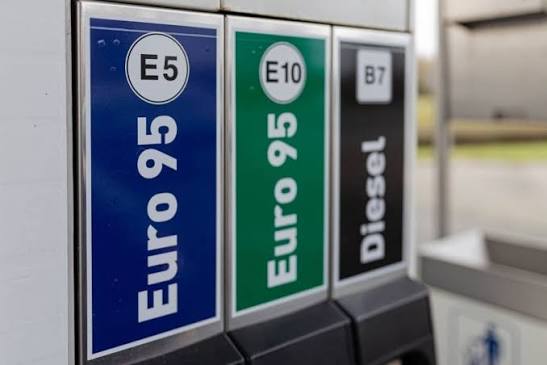
It sounds obvious, but comparing the wrong fuel can skew your sums completely. Most petrol cars run happily on standard E10 unleaded. E5 super unleaded costs more and is only needed by certain vehicles. On the diesel side, most drivers will be looking at B7, with premium diesel as a pricier alternative.
Always use the fuel your manufacturer recommends. If you’re not sure, check the vehicle handbook or the inside of the fuel flap, where the correct grade is often printed. Once you know what your car needs, compare prices for that grade only.
Paying extra for a premium fuel your engine doesn’t require is one of the easiest ways to waste money at the pumps. Comparing like for like keeps you from falling into that trap.
6. Plan Your Fuel Stops on Longer Journeys
Running low in an unfamiliar area is when most people overpay. When the warning light is glowing and you don’t know the roads, you take whatever’s available, and that’s often the most expensive option. Motorway services in particular tend to charge more than stations a short drive off the main route.
If you’re heading somewhere new, take two minutes before you set off to check prices in the towns along your way. A few tips make this easier:
- Fill up before you join the motorway, ideally in a town with several competing stations.
- Check your destination too. It’s useful to know where you can fill up for the return leg.
- Don’t wait for an empty tank. Stopping at a quarter full gives you choice, whereas stopping on fumes gives you none.
Competition tends to keep prices honest, so areas with a cluster of nearby stations are often a better bet than isolated forecourts.
7. Drive Smarter to Use Less Fuel
Finding cheaper petrol is only half the picture. Using less of it saves you money just as reliably, and it works wherever you fill up.
- Check your tyre pressure. Under-inflated tyres make your engine work harder. A quick monthly check is worth the effort.
- Ease off the speed. Driving at 70mph uses noticeably more fuel than driving at 60mph.
- Take unnecessary weight out. Roof boxes, bike racks and boot clutter add drag and weight, so remove them when you’re not using them.
- Be gentle with the pedals. Smooth acceleration and early braking use less fuel than sudden stops and starts.
- Combine your errands. Several short trips with a cold engine use more fuel than one longer, planned journey.
None of these takes any real effort, but together they can make a noticeable dent in your fuel bill over a year.
How Much Could You Actually Save?
It depends on how much you drive, but the numbers add up faster than you’d expect. Say you fill up once a week and save £2.50 each time by choosing a cheaper station. That’s around £130 over a year, for no more effort than a quick search.
Drivers who cover high mileage, such as commuters, delivery drivers and anyone running a van, could save considerably more. Add in a few of the driving habits above and the total grows again.
It isn’t life-changing money on its own, but it costs nothing to get. It comes simply from checking prices before you fill up and making a slightly more informed choice.
Frequently Asked Questions
What’s the best way to find the cheapest petrol near me?
Use a comparison tool and search by your postcode, town or city. You’ll see nearby stations and their latest reported prices, which you can sort by price or distance depending on what matters most for your journey.
Is it worth driving further to save a few pence per litre?
Usually only if the cheaper station is on or close to your normal route. A long detour can easily use up the saving, so always weigh the price against the distance.
How often do petrol prices change?
Prices can change regularly, depending on wholesale costs, taxes, local competition and individual retailers’ pricing decisions. That’s why it pays to check shortly before you fill up rather than relying on a price you saw last week.
Why do petrol prices differ between stations?
Retailers have different running costs, supply arrangements and levels of local competition, and they set their prices accordingly. Two stations in the same town can charge quite different amounts for the same fuel.
Does the cheapest petrol near me change from day to day?
It can. The station with the lowest price today might not be the cheapest next week, which is why a quick check each time you fill up gives the most reliable result.
You don’t need coupons, complicated apps or a big change to your routine to save money on petrol in the UK. Compare prices before you set off, think about distance, check how recent each price is, choose the right fuel grade, plan longer trips ahead and keep an eye on how you drive.
Next time you catch yourself searching for the cheapest petrol near me, head to petrol-price.co.uk, enter your postcode and see what’s available around you. It takes a minute, and your wallet will thank you.